
Small Business Playbook: A Step-by-Step Guide to Cost-Effective Digital Display Advertising
Most small businesses think digital display advertising demands big budgets and complex plans. That’s a costly myth that holds you back. In this guide, you’ll get a clear, step-by-step workflow to launch a cost-effective DOOH campaign with AdSeenit—no minimum spend, full control, and precise audience targeting. Ready to make local advertising work for you? Let’s get started! For further reading, check out this beginner’s guide to display advertising.
Getting Started with Digital Display Advertising

Starting out with digital display advertising can feel overwhelming. But once you understand the basics, it becomes much more approachable.
Understanding the Basics
Digital display advertising is all about making your business visible to the right people. Unlike traditional ads, these appear on digital screens. Whether you’re a local bakery or a fitness studio, your ad can show up where your potential customers are. The beauty of digital display advertising is that it doesn’t require huge budgets. With platforms like AdSeenit, you can start with no minimum spend, making it perfect for small businesses.
Imagine you’re launching a new product. Instead of waiting for customers to find you, your ad catches their eye as they sip coffee at their favourite café. That’s the power of reaching your audience where they already are. With digital signage platforms, you get flexibility in timing and placement, ensuring your business message lands at just the right moment. Learn how to create effective online ads.
Setting Clear Objectives
Before you dive into creating ads, it’s crucial to set clear objectives. What do you want to achieve? Maybe it’s boosting foot traffic or increasing brand awareness. Clear goals help you measure success and refine your strategy. For instance, if you’re a local gym, a goal could be to sign up 50 new members this month. With that target, you can tailor your messaging and screen choices to meet this objective.
One way to pinpoint your goals is by asking, “What will success look like?” This question can guide your strategy and ensure you’re targeting the right audience. Once you know your goals, you can design ads that align with them, making your campaigns more effective. Remember, setting objectives isn’t just about numbers; it’s about understanding what actions you want your audience to take.
Creating Cost-Effective Campaigns

Now that you’re equipped with the basics, let’s explore how to create campaigns without breaking the bank. You don’t need big bucks, just smart strategies.
Budget-Friendly Strategies
Cost-effective advertising doesn’t mean cutting corners; it means being smart with your resources. Start by knowing your audience. Who are they? Where do they spend their time? With this insight, you can place your ads on screens that matter most. For example, a local bakery might target morning commuters with breakfast specials.
Consider using programmatic OOH technology, which allows you to automate ad placements. This means you can reach the right audience at the right time without constant manual adjustments. Another tip is to experiment with ad slots. Maybe lunchtime works better for your promotions. The idea is to test different options and see what delivers the best return on investment. Explore budget-friendly strategies here.
Choosing the Right Screens
Not all screens are created equal. Some locations offer better visibility and engagement than others. Think about your target audience’s daily routine. Are they more likely to see your ad in a shopping centre or a gym? Selecting the right screen can significantly impact your campaign’s success.
For example, if you’re promoting a weekend event, placing ads in high-footfall areas like train stations might be ideal. It’s also wise to consider the screen size and resolution. A clear, vibrant ad can leave a lasting impression. Remember, the goal is to make your message pop, so choose screens that complement your content.
Optimising Your DOOH Campaign
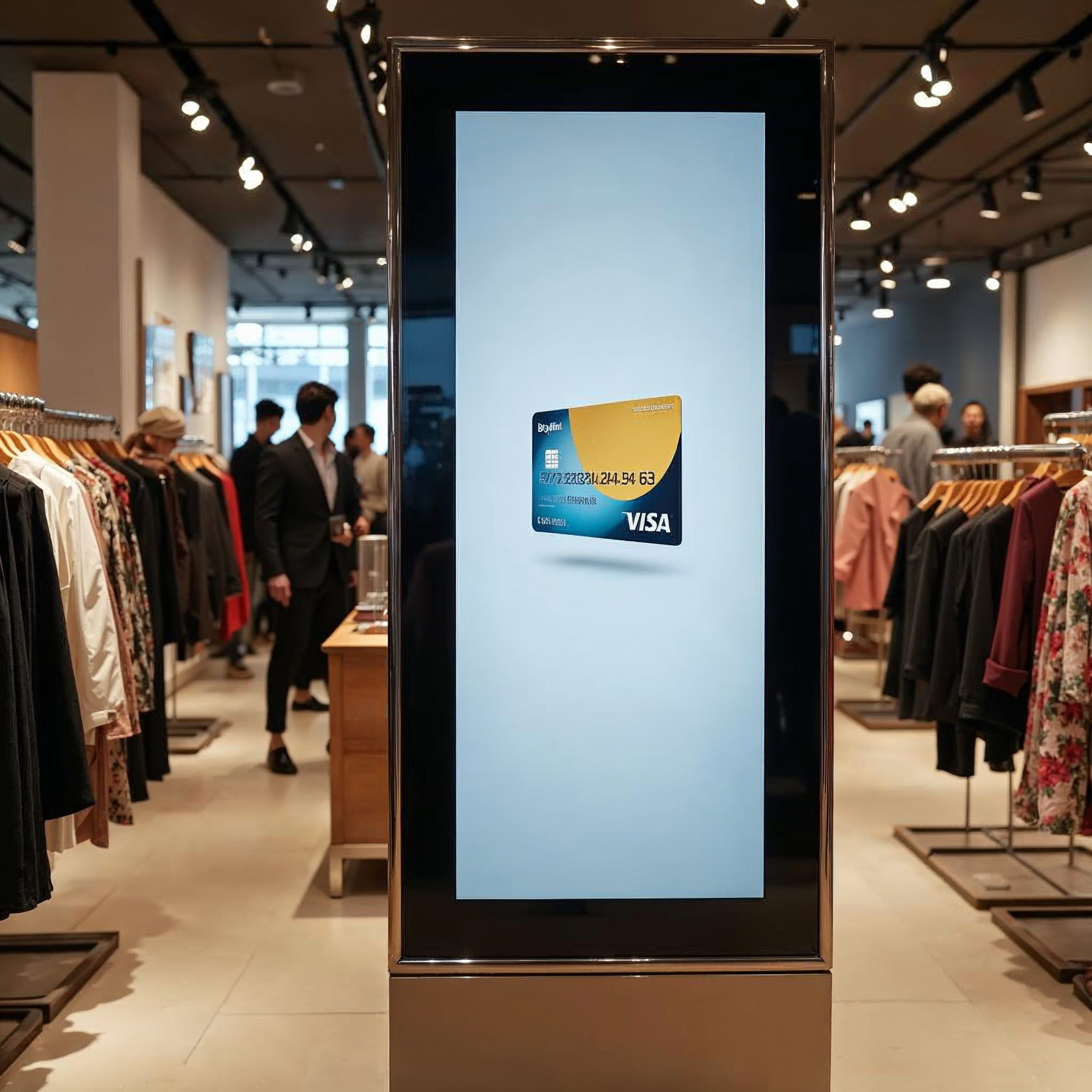
Once your campaign is live, the work doesn’t stop. Optimisation is key to ensuring your campaign reaches its full potential.
Audience Targeting Tactics
One of the biggest advantages of digital display advertising is precise audience targeting. You can tailor your ads based on demographics, location, and even behaviour patterns. This means your message reaches the people most likely to respond. For example, if you’re promoting a kids’ event, targeting screens near schools or playgrounds would be smart.
Data is your ally here. Analyse who engages with your ads and adjust your strategy accordingly. If you notice more engagement during weekends, focus your efforts there. The longer you wait to optimise, the more opportunities you might miss. By continually tweaking your targeting, you ensure your ads are always working hard for you. Learn more about audience targeting.
Real-Time Adjustments and Monitoring 🚀
The beauty of digital displays is the ability to make real-time adjustments. If a particular ad isn’t performing, you can change it on the fly. This flexibility allows you to respond quickly to trends or unexpected events. For example, if a sudden heatwave hits, a cafe might promote iced drinks instead of hot ones.
Monitoring your campaign’s performance is essential. Use analytics tools to track metrics like impressions and engagement. This data helps you understand what’s working and where improvements are needed. By staying proactive, you can ensure your campaign remains effective and delivers the best results.
In conclusion, digital display advertising offers small businesses a powerful, cost-effective way to reach their audience. By following these steps, you can create impactful campaigns without a hefty budget. Remember, it’s all about being smart, flexible, and data-driven. So, go ahead and make your business shine!